Vertebrates
Subphylum Vertebrata
Vertebrates are animals possessing a vertebral column (spine), a cranium, and a complex nervous system. They represent one of the most diverse and evolutionarily successful groups within the animal kingdom, encompassing fishes, amphibians, reptiles, birds, and mammals.
Evolutionary Framework
Vertebrate evolution is traditionally described through skull fenestration patterns, openings in the temporal region that allow for stronger jaw musculature. These patterns define four major historical groups.
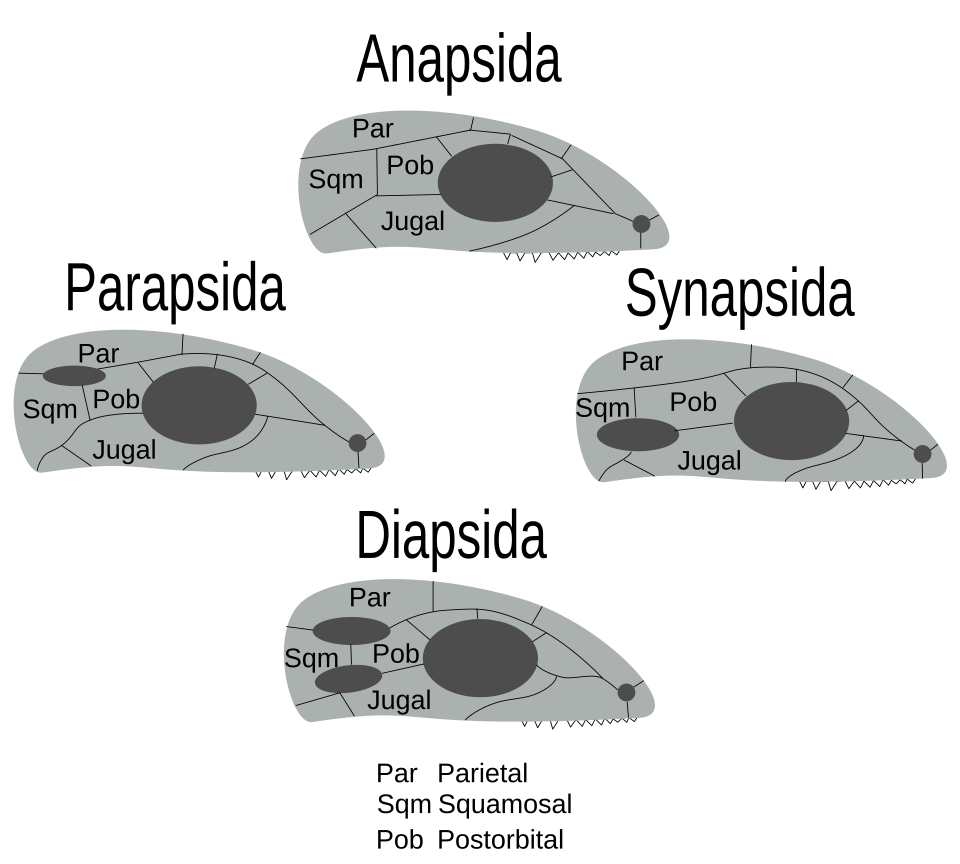
Anapsida
- No temporal openings
- Historically applied to early amniotes and turtles
- Modern phylogeny places turtles within Diapsida, so Anapsida is now considered paraphyletic and mostly a historical term
Anapsida refers to vertebrates with no temporal openings in the skull. Historically, this category included early amniotes and turtles. Modern phylogenetic work places turtles within Diapsida, which means Anapsida is now considered a paraphyletic and largely historical grouping. It remains important for understanding early amniote evolution, even though it is not used in current cladistic classification.
Parapsida
- Single upper temporal opening
- Applied to certain extinct reptile groups (e.g., some marine reptiles)
- Not used in modern cladistics; considered obsolete
Parapsida refers to extinct reptile groups that were once thought to possess a single upper temporal opening. The classification is now considered paraphyletic because the groups placed within it do not form a natural evolutionary lineage. Ichthyosaurs were historically included in Parapsida because their skulls appeared to show only an upper temporal fenestra. Modern phylogenetic work places ichthyosaurs within Diapsida, and the lower opening is now understood to be reduced or closed rather than absent. Parapsida remains a historical category used to describe early interpretations of reptile skull morphology.
Synapsida
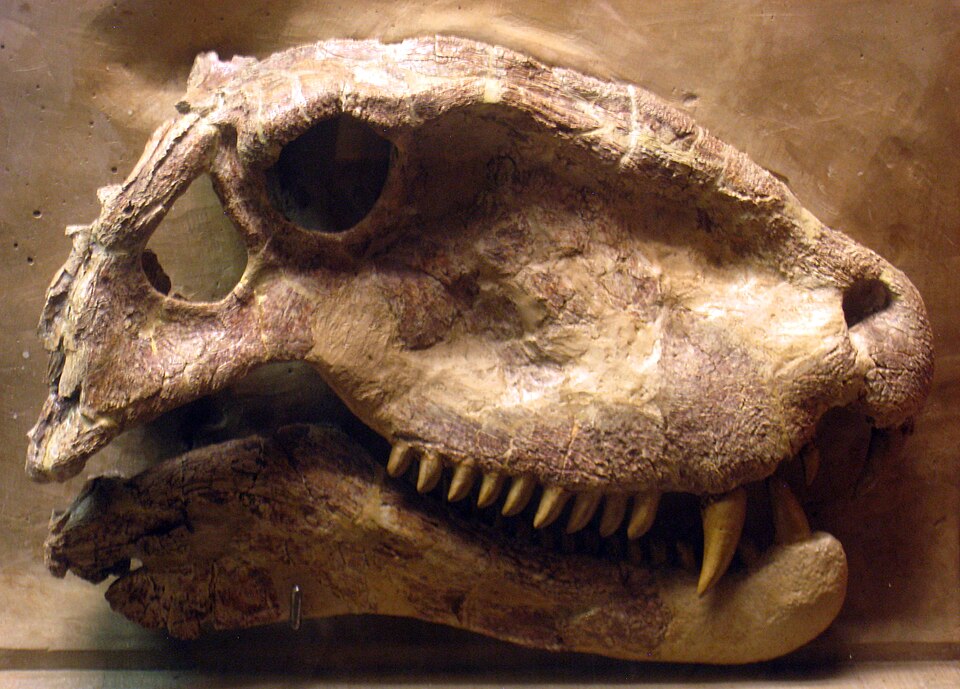
- One lower temporal opening
- Includes mammals and all mammal‑line ancestors
- Synapsids evolved into Therapsids, which gave rise to mammals
- Modern mammals divide into:
- Monotremata (historically Prototheria)
- Theria (Marsupialia + Eutheria)
Synapsida refers to vertebrates with a single lower temporal opening. This group includes mammals and their extinct relatives. Synapsids were the dominant terrestrial vertebrates during the Permian and early Triassic periods. Over time, they evolved into therapsids and eventually into modern mammals. All living mammals retain the single fenestra characteristic and share traits such as hair, mammary glands, and endothermy. Synapsids encompass monotremes, marsupials, and placentals, with monotremes historically classified under Prototheria.
Diapsida
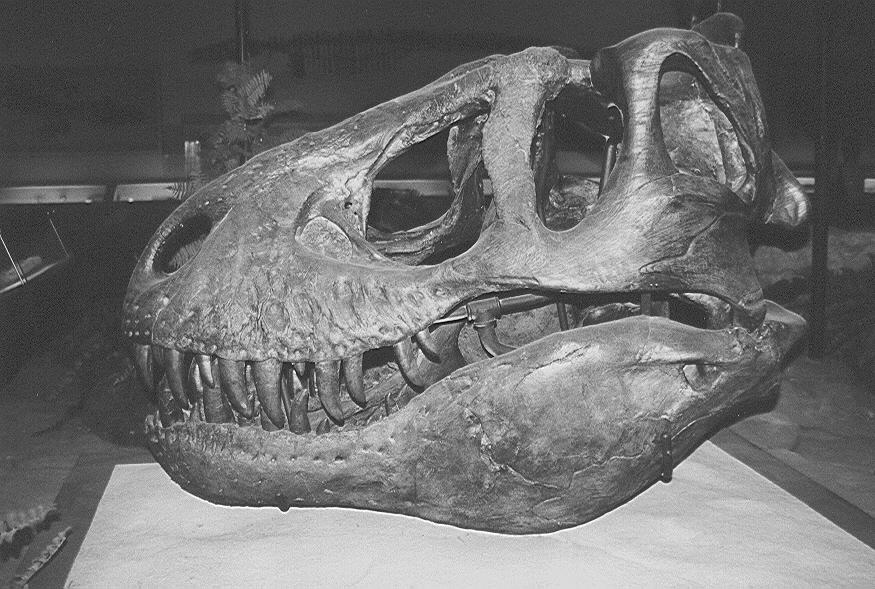
- A pair of temporal openings
- Includes most living reptiles and all birds
- Some diapsids (e.g., snakes, turtles) have lost their fenestrae, however
- Divides into:
- Lepidosauria (lizards, snakes, tuataras)
- Archosauria (crocodiles, dinosaurs, birds)
Diapsida refers to vertebrates with two temporal openings. This group includes most living reptiles and all birds. Diapsids divide into Lepidosauria, which includes lizards, snakes, and tuataras, and Archosauria, which includes crocodiles, dinosaurs, and birds.
Major Clades
- Cyclostomata – Jawless vertebrates (hagfish, lampreys)
- Gnathostomata – Jawed vertebrates
- Chondrichthyes – Cartilaginous fishes (sharks, rays)
- Osteichthyes – Bony fishes and tetrapods
- Amphibia – Frogs, salamanders, caecilians
- Amniota – Reptiles, birds, mammals
Mammalian Evolution
Within Synapsida, mammals evolved from therapsid ancestors. Modern mammals are divided into:
| Group | Reproductive Mode | Example |
|---|---|---|
| Monotremata | Egg‑laying | Platypus, echidna |
| Theria | Live‑bearing | Marsupials and placentals |
| • Metatheria | Marsupials | Kangaroo, opossum |
| • Eutheria | Placentals | Primates, whales, rodents |